School of Electrical and Electronics

School of Electrical and Electronics Engineering consistently and competently drives towards excellence through our department of Electronics and Communication Engineering.With a strong emphasis,on holistic development of a student, School of Electrical and Electronics groomed the multidisciplinary powers of the students ,enhances the skill set of student by providing hands on training, workshops and research in the frontiers of Artificial Intelligence , Machine Learning, Signal/Image Processing, VLSI Design, Electric Vehicle, Embedded systems,Contemporary Wireless Communication, Wind Energy, Nanotechnology and 5G Communications.
The School has state-of-the art laboratories in almost all the frontiers of Electrical and Electronics. The School has the latest simulation tools in its laboratories to cater various specializations and is equipped with facilities for measurement, characterization and synthesis of experimental as well as theoretical results.
Our school has developed on board communication subsystem, ground station control, electronic power supply, attitude determination control systems and has calibrated spectrometer for the successful launch of “SATHYABAMASAT" on June 22nd, 2016. Mission of ‘SATHYABAMASAT’ to measure greenhouse gases emission is made successful through continuous collection and processing of satellite data by our students from the ground station in our premises. Combined expertise of staff and students of our school has resulted around 30 research projects sponsored by government and R&D organizations like DST, IGCAR, BRNS, BRFST, TNSCST, ISRO, DRDO.
It opens a wide spectrum of opportunities for placement in dream companies not only limited to his area of study. It is evident in the consistent placement record of over 95% every year in every department of the school. Some of our major recruiters are Samsung, HP Electronics,Renault Nissan, Tata Communications,Nokia, Bosch, Amazon, NTT Data, MBIT Wireless, Wipro, HCL Technologies, Infosys, Capgemini, L & T Infotech, Tech Mahindra. etc. Excellent infrastructure, expert faculty members and enthusiastic students have also made remarkable contributions in product development, patents and paper publications.
Programme Offered

- B.E - ECE
Department of Electronics and Communication Engineering was established in the year 1988. We offer B.E. Electronics and Communication Engineering .The prime focus of our department is to impart quality education with a strong emphasis on converting basic science to technology, through hands on training, workshops and research in the frontiers of VLSI Design, Embedded systems,Artificial Intelligence , Machine Learning. Nanotechnology, Image Processing, Wireless Communications and Internet of Things. We enjoy a symbiotic relationship with many leading institutions and industries in India.
We offer our students an excellent educational experience that combines intellectual rigour and cross-disciplinary breadth. The course contents are periodically updated for introducing new scientific and technological developments. Electronic design, Communication technologies, hands-on programming, research focus and entrepreneurship skills are all part of our signature educational curriculum. The ECE domain is often regarded as a challenging culmination of hardware and software. To help students get through this, we have highly qualified faculty with diversity of experiences, covering and redefining the boundaries of Electronics and Communication engineering.
In addition to the growing demand , with the regular curriculum , department of ECE practices Outcome Based Education , Outcome based Curriculum, Outcome Based Teaching Learning methodology and Outcome Based assessment. To promote multidisciplinary approach, the department offers electives from other schools through Choice Based Credit System(CBCS). It enables our students to participate in various competitions, which include Smart India Hackaton both software and hardware. Critical thinking, Design thinking, Engineering Projects as Community Service (EPICS)are mandatory constituents of our curriculum. Participative learning, Experimental learning and Competitive learning makes learning experience as joy for our students.This also enhances the employability skill of the students for placement in core companies and top MNCs like TCS, CTS, HCL, Wipro, Infosys, Accenture, Mind Tree and Mphasis.
The Department of Electronics and Communication has modern state-of-the-art laboratories in the areas of Artificial Intelligence and Embedded System, Semiconductor Devices, Analog Integrated Circuit , Digital System Design, Digital Signal Processing, Microprocessors and Microcontrollers, Communication Engineering, Wireless Technologies, Internet of Things (IoT), Microwave and Optical Communication, Computer Networks and Advanced VLSI Design.“Virtual Laboratory for Digital Logic Circuits” has been developed and deployed.
Research
- Funded Projects
- Publications
- Patents

The faculty members and students of ECE Department have developed ADCS subsystem and on board communication system for Sathyabama satellite and ground station for acquiring signals from the satellite. We are committed to provide excellence in fundamental and applied research for the development of innovative technologies. It is evident from the academic research, sponsored research and consultancy activities undertaken by the department from various government agencies, public and private sectors. Sponsored research projects resulted in setting up high end infrastructure facilities in the institution. Faculty of our department has successfully completed 40 research projects sponsored by various R&D/ Government organizations such as BRNS, BRFST, DST, TNSCST, IGCAR. . BRNS has recognized our faculty for their outstanding research by awarding ‘A’ grade. They have successfully developed working models/ equipment namely fast response eddy current meter, single pixel camera, active magnetic bearing for R & D organizations.

Research publications are where results and knowledge derived by research are shared and taught to others in the world. Our faculty and students published their research findings in high impact SCI indexed journals periodically.Students of our department publish their project work in reputed journals.They have won best paper awards in International and National Conferences. Our faculty are reviewers in journals which include IEEE transactions, Springer Publications etc. Citation index of our research papers is the evidence for the quality of research. The faculty members at the University have published several books, book chapters and monographs. Our faculty and students have published more than 3000 papers in reputed journals and conferences.

Our faculty and students are actively involved in developing indigenous products. These products are patented which further results in commercialization. The Electronics and Communication Engineering Department has 12 granted design patents and 21 patents are published and 25 patents filed.
The Department of Electronics and Communication Engineering envisions to be a world class department of eminence nurturing responsible citizens who would serve as an effective technical manpower excelling in the global industrial requirements.
To strengthen the basics, update and introduce courses that are relevant to the current trends in the field of Electronics and Communication which can enhance the employability skill.
To extend frontiers of cognizance through relevant and contextual Research and Development.
To furnish the graduates with leadership and entrepreneurial knowledge and skills.
To inculcate ethical behavior in order to serve the community at large.
PEO1: Lead with technical expertise to provide ethical, sustainable solutions for solving problems in Electronics and Communication Industry
PEO2: Excel as Entrepreneurs by enhancing employment opportunities and largely contributing to the economic development of the nation
PEO3: Excel as most sought after innovators/researchers with interdisciplinary/ multi disciplinary skills in R&D organizations
PEO4: Excel as societal leaders by contributing largely to the community in uplifting the livelihood of the people
PO1 Engineering knowledge: Apply the knowledge of mathematics, science, engineering fundamentals, and an engineering specialization to the solution of complex engineering problems.
PO2 Problem analysis: Identify, formulate, review research literature, and analyze complex engineering problems reaching substantiated conclusions using first principles of mathematics, natural sciences, and engineering sciences
PO3 Design/development of solutions: Design solutions for complex engineering problems and design system components or processes that meet the specified needs with appropriate consideration for the public health and safety, and the cultural, societal, and environmental considerations.
PO4 Conduct investigations of complex problems: Use research-based knowledge and research methods including design of experiments, analysis and interpretation of data, and synthesis of the information to provide valid conclusions.
PO5 Modern tool usage: Create, select, and apply appropriate techniques, resources, and modern engineering and IT tools including prediction and modeling to complex engineering activities with an understanding of the limitations.
PO6 The engineer and society: Apply reasoning informed by the contextual knowledge to assess societal, health, safety, legal and cultural issues and the consequent responsibilities relevant to the professional engineering practice
PO7 Environment and sustainability: Understand the impact of the professional engineering solutions in societal and environmental contexts, and demonstrate the knowledge of, and need for sustainable development
PO8 Ethics: Apply ethical principles and commit to professional ethics and responsibilities and norms of the engineering practice.
PO9 Individual and team work: Function effectively as an individual, and as a member or leader in diverse teams, and in multidisciplinary settings.
PO10 Communication: Communicate effectively on complex engineering activities with the engineering community and with society at large, such as, being able to comprehend and write effective reports and design documentation, make effective presentations, and give and receive clear instructions.
PO11 Project management and finance: Demonstrate knowledge and understanding of the engineering and management principles and apply these to one’s own work, as a member and leader in a team, to manage projects and in multidisciplinary environments.
PO12 Life-long learning: Recognize the need for and have the preparation and ability to engage independent and life-long learning in the broadest context of technological change.
PSO1: Facilitate the concepts of basic Electronic Design, Development and troubleshooting of analog, digital electronic circuits and antennas in par with the recent trends and also to produce expertise in addressing challenges related to IC design and system level verification.
PSO2: Encompass the knowledge of Signal and Image processing and to implement for real time scenario.
PSO3: Realize and equip with the advancements in the field of Embedded, IOT and Wireless Technologies
Faculty of our department has successfully completed 10 research projects sponsored by various R&D/ Government organizations such as BRNS, BRFST, DST, TNSCST, IGCAR, ICSSR, AICTE etc. They have successfully developed working models/equipment’s namely Teletector, fast response eddy current meter, single pixel camera, active magnetic bearing for R & D organizations.
The total funding received through sponsored projects is Rs. 6,34,27,956
Average Impact Factor of the department is 4.7
The department has total citations of 3492 and highest h-index of 19
The department has 6 granted design patents and 23 published patents and 6 patents filed.
The faculty members and students of ECE Department has developed ADCS subsystem and on-board communication system for Sathyabama satellite and ground station for acquiring signals from the satellite
Dr. E. Logashanmugam has successfully developed single pixel camera for which BRNS has awarded grade‘A’.
Three of our faculty members have been recognized by CTS with best teacher award.
Insights
- Collaboration and MOU's
Department of Electronics and Communication Engineering, Sathyabama Institute of Science and Technology signed a Memorandum of Understanding (MoU) with EPICAL LAYOUTS Pvt. Ltd., Chennai on 17.04.2024. The signing ceremony was held in the presence of the esteemed Vice President Sir and Vice President Madam. This MoU paves the way for collaboration on projects, internships, and knowledge sharing between the institute and the company. Specific areas of collaboration, like Chip Design, Testing and Verification . This partnership aims to benefit both students through industry exposure and the company through innovative projects.
The main objective of the B.E (ECE) program is to equip students with necessary core competency to succeed long-term in engineering / entrepreneurship careers after completing their B.E degree and are preparing to undertake PG studies and research as career options. As a discipline, ECE focuses on the design of underlying hardware systems. Our curriculum is directed to applications in major areas such as telecommunications, energy and electronics sectors, while encouraging development of necessary skills for integration of hardware and software components. We believe that many creative opportunities exist at the boundaries of traditional CSE and ECE, and have accordingly planned for cross-training of students across disciplinary boundaries.
A two-day hands-on training programme on “Arduino Programming Using C++” was conducted on 24th and 25th September 2025 to enhance students’ practical knowledge of embedded systems and microcontroller programming. The programme introduced participants to the fundamentals of Arduino, an open-source electronics platform widely used in automation, robotics, IoT, and smart-device applications. The training included theoretical sessions, live demonstrations, programming exercises, and hands-on activities that enabled students to understand Arduino programming using C++ and develop basic hardware-based applications. The sessions were conducted by experienced faculty members Dr. Sugadev and Dr. Somasekar, who provided valuable guidance through practical demonstrations and interactive learning activities. The programme helped students strengthen their programming skills, understand the interfacing of electronic components, and gain practical exposure to developing Arduino-based embedded system applications.
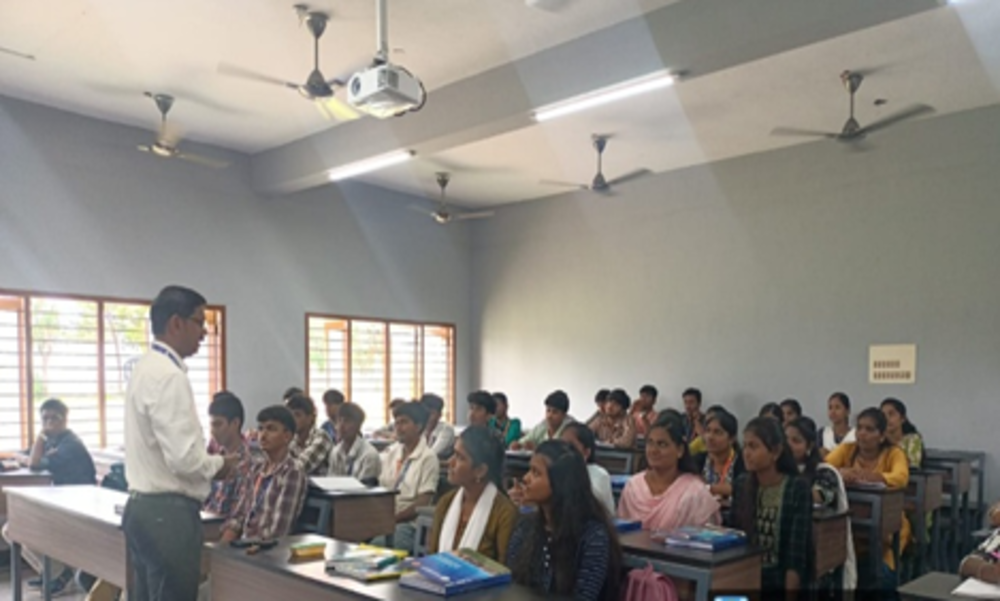
The Department of Electronics and Communication Engineering organized a Poster Presentation on “Recent Trends and Innovation” on 16th July 2026 at the Drawing Hall for engineering students. The event focused on emerging and rapidly evolving technologies, including Artificial Intelligence (AI), Robotics, Drones, and the Internet of Things (IoT). Students actively participated by presenting informative and creative posters highlighting recent technological developments, innovative concepts, and real-world applications. The presentation provided students with an opportunity to explore current trends in engineering, demonstrate their technical understanding, and communicate complex concepts effectively through visual presentations. The event encouraged creativity, innovation, teamwork, and knowledge sharing among the participants while enhancing their technical knowledge, research interest, and presentation skills. Overall, the programme served as an effective platform for students to gain awareness of emerging technologies and develop confidence in presenting their innovative ideas.
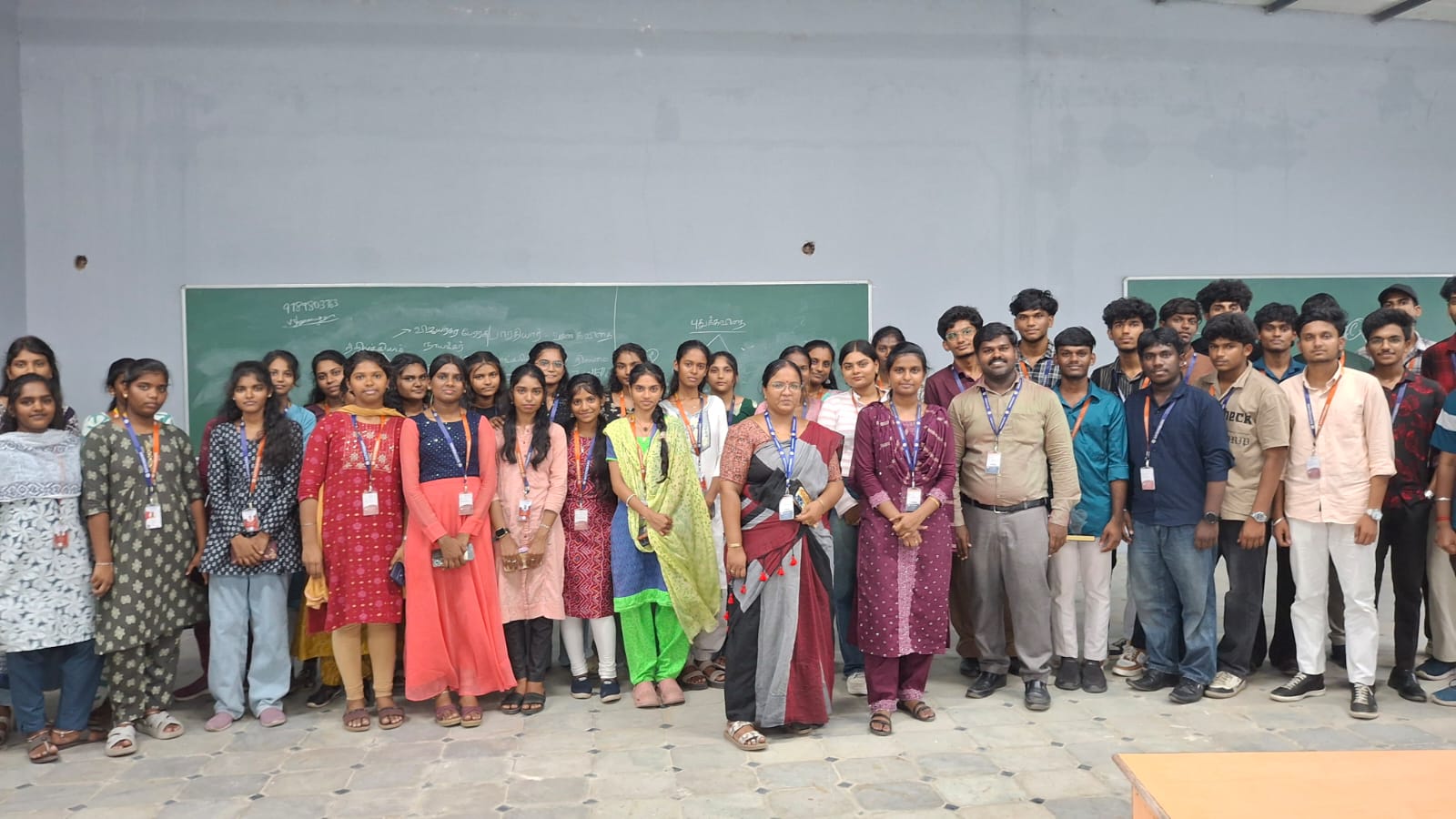
The Department of Electronics and Communication Engineering, Sathyabama Institute of Science and Technology, Sriperumbudur Campus, successfully organized a Guest Lecture on “Electromagnetic Waves: From Theory to Real-World Applications” on 17th July 2026. The session was delivered by Dr. Sumithra P, Project Scientist C at the Aeronautical Development Agency (ADA), Bengaluru, who shared her expertise and valuable insights into advanced electromagnetic technologies and their applications in aerospace and defence systems. The programme commenced with a welcome address and an introduction to the distinguished speaker, followed by an engaging and informative technical session. Students actively participated in the lecture and gained a deeper understanding of the practical implementation of electromagnetic wave principles in modern engineering applications. The session helped bridge the gap between theoretical concepts and industrial applications while enhancing students’ technical awareness, curiosity, and interest in emerging technologies.
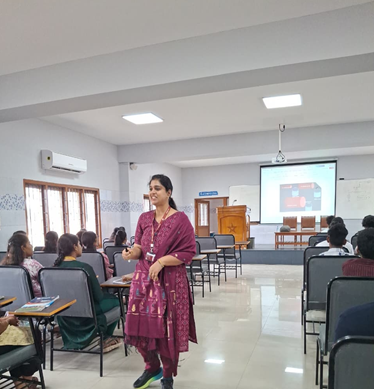
The Department of Electronics and Communication Engineering organized an Industrial Visit to Retech Lasers Pvt. Ltd., West Tambaram, Chennai, on 22nd July 2026 for the II Year B.E. Electronics and Communication Engineering students. The visit aimed to provide students with practical exposure to industrial technologies and bridge the gap between classroom learning and real-world applications. During the visit, students gained valuable insights into laser technologies, advanced manufacturing processes, industrial automation, BLDC motor development, and Smart Electric Vehicle technologies. They also observed industrial working practices, quality assurance procedures, and the application of modern engineering technologies in a professional environment. Interaction with industry professionals helped students understand current technological developments and career opportunities in the field. The visit further encouraged students to develop interest in innovation, research, entrepreneurship, and higher studies, while enhancing their technical knowledge and awareness of industry requirements.
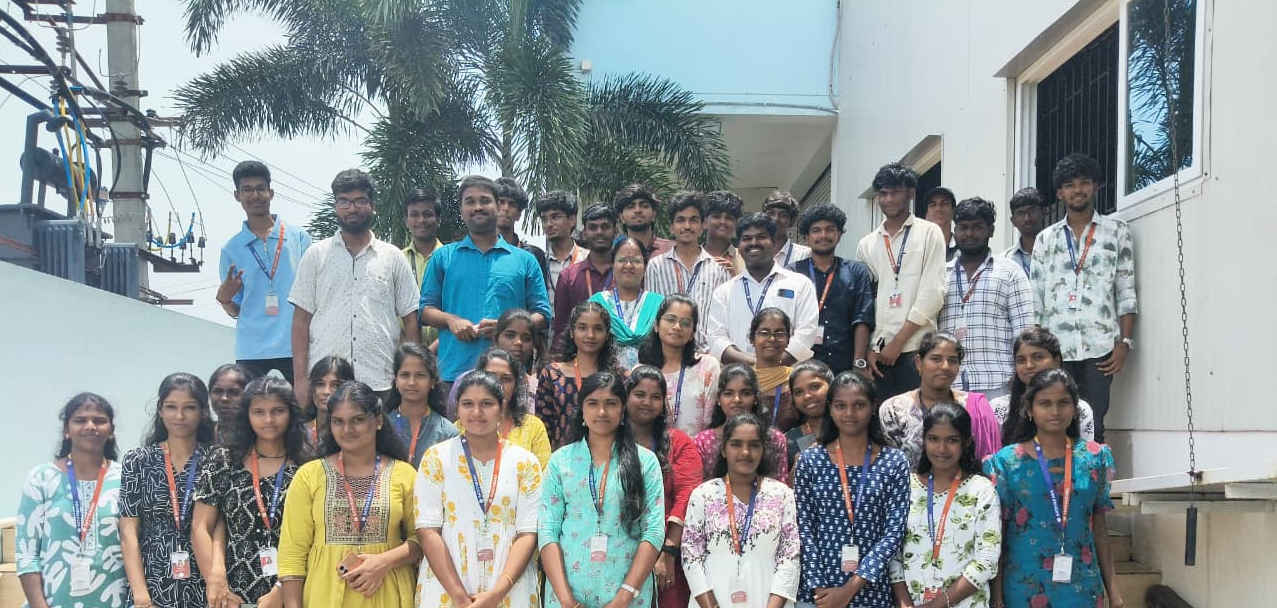
The Department of Electronics and Communication Engineering, Sathyabama Institute of Science and Technology, Sriperumbudur Campus, successfully organized the Student Competition – “Smart IoT Project Expo” on 13 August 2026 (Thursday), from 10:15 AM to 2:30 PM at the Electronic Devices and Circuits Lab. Conducted under the theme “Showcase • Innovate • Inspire” and the vision “Innovate Today, Transform Tomorrow,” the expo provided students with an excellent platform to demonstrate their technical knowledge, creativity, innovation, and problem-solving skills through IoT-based projects. The event encouraged students to apply theoretical concepts to practical applications involving IoT, embedded systems, sensors, wireless communication, and automation. Participants showcased innovative solutions addressing real-world challenges in areas such as smart homes, healthcare, agriculture, energy management, security, environmental sustainability, and smart cities. The expo also enhanced students’ teamwork, technical presentation, project demonstration, and communication skills, while fostering an innovative mindset and motivating them to explore emerging technologies for future societal needs.
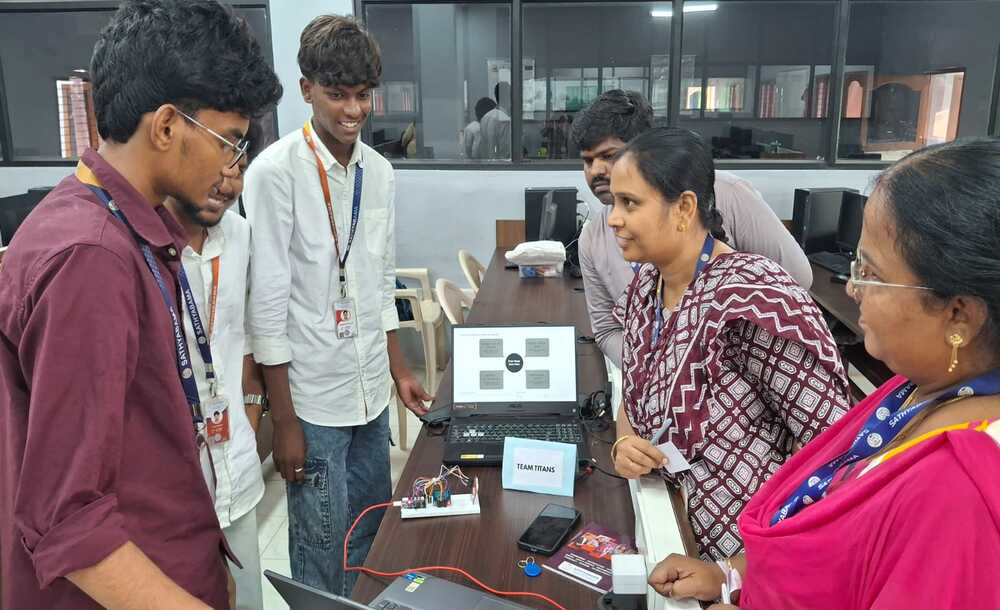
The Department of Electronics and Communication Engineering, Sathyabama Institute of Science and Technology, Sriperumbudur Campus, successfully organized an Outreach Activity to commemorate National Space Day on 21 August 2026 (Friday), from 10:00 AM to 11:30 AM at Vivekananda Vidyalaya Matric Higher Secondary School. The programme was conducted under the theme “Showcase • Innovate • Inspire” and the vision “Innovate Today, Transform Tomorrow,” with the objective of creating awareness and interest in space science and aerospace technologies through engaging, activity-based learning. Participants were introduced to basic concepts related to lunar landing, rockets, thrust, motion, model making, and lunar exploration through interactive activities, DIY demonstrations, and quizzes. The programme also helped students understand fundamental concepts such as speed, velocity, and acceleration while encouraging curiosity, creativity, observation, questioning, and practical learning. Overall, the outreach activity provided an engaging platform for students to explore space science and inspired them to develop greater interest in aerospace, scientific innovation, and emerging space technologies.
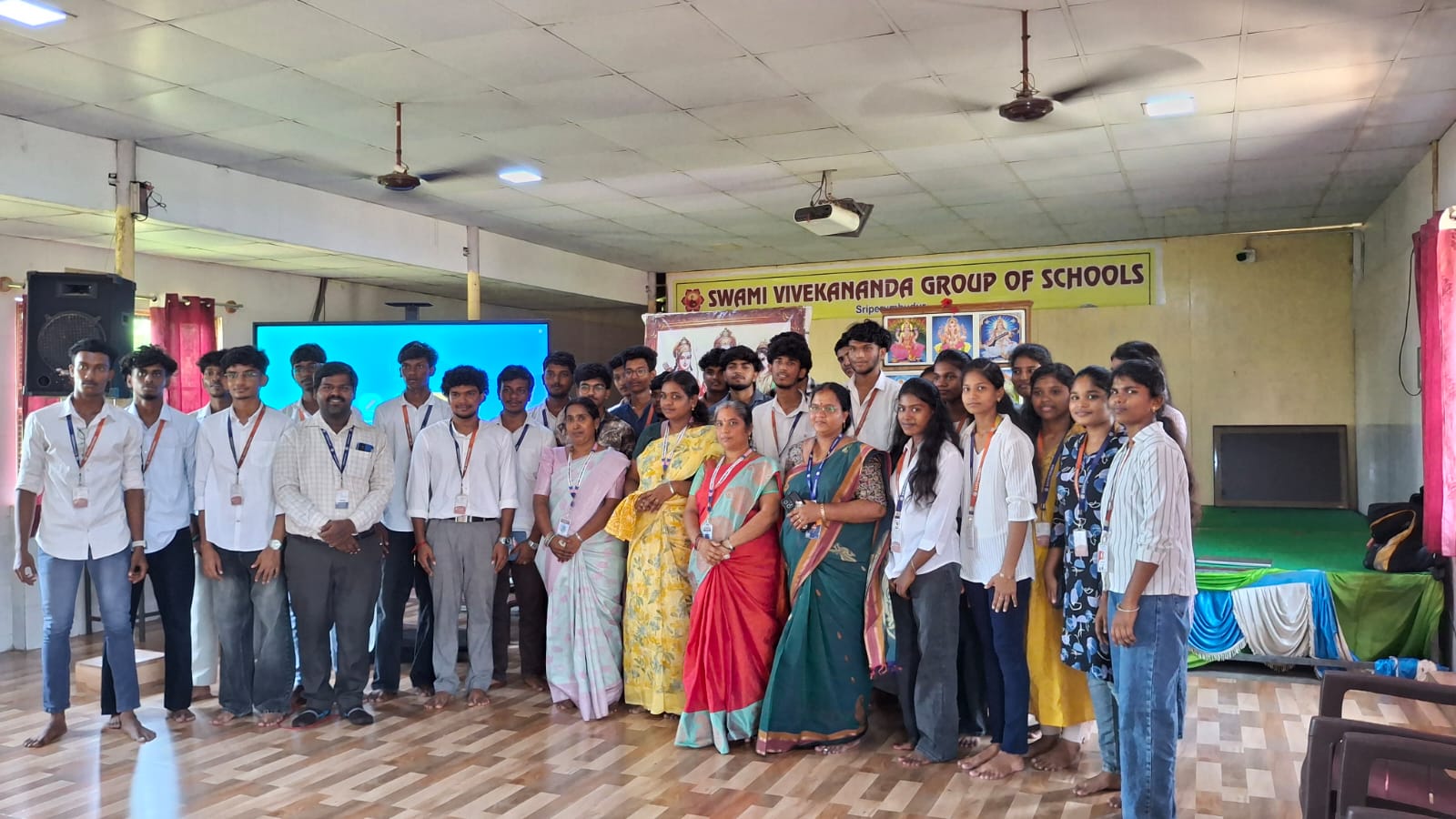
The Department of Electronics and Communication Engineering organized a student innovation event titled “IDEATHON” on 17.09.2026, providing an interactive platform for students to identify real-world challenges and develop creative, practical, and technology-driven solutions. The event focused on strengthening students’ problem-identification, brainstorming, solution development, teamwork, leadership, testing, and communication skills through an engaging hands-on learning experience. It encouraged students to think innovatively, formulate meaningful problem statements, collaborate effectively, design and refine solution concepts, and present their ideas confidently. The IDEATHON also enabled students to integrate their academic knowledge with practical applications and societal needs, thereby fostering innovation, creativity, critical thinking, technical competence, and an entrepreneurial mindset.
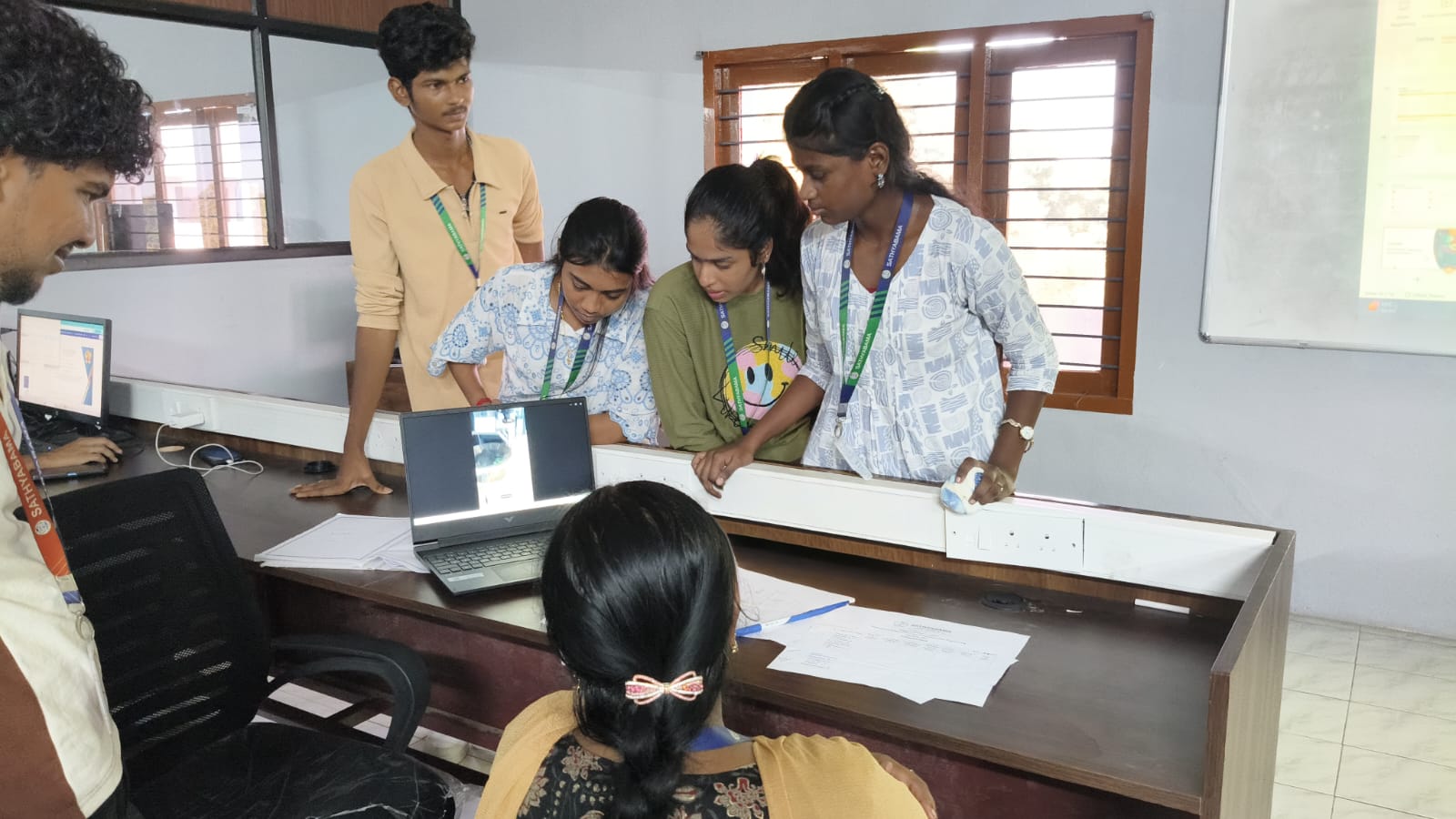
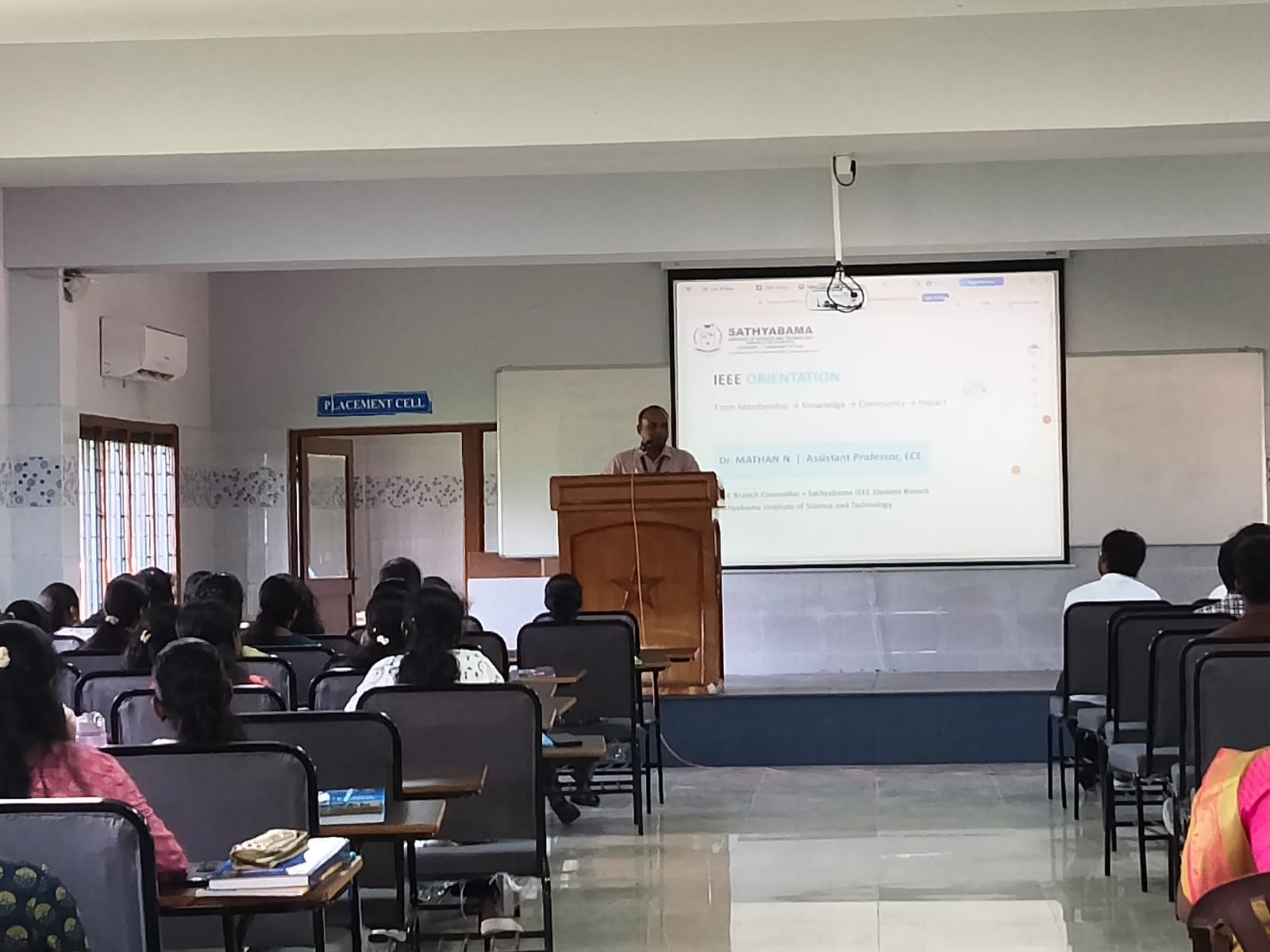
The Department of Electronics and Communication Engineering, Sathyabama Institute of Science and Technology, Sriperumbudur Campus, organized a student-oriented awareness programme titled “Getting Started with IEEE and IEI” on 16 September 2026. The programme was conducted with the objective of introducing students to the professional bodies IEEE (Institute of Electrical and Electronics Engineers) and IEI (Institution of Engineers (India)), and highlighting the opportunities available through professional memberships and student chapters. The session focused on creating awareness about the purpose, structure, activities, and benefits of IEEE and IEI memberships. Students were introduced to various professional activities such as technical seminars, workshops, conferences, competitions, project showcases, networking opportunities, technical publications, student chapter activities, and opportunities for interaction with professionals from academia and industry. The importance of active participation in professional societies for developing technical knowledge, communication skills, leadership qualities, teamwork, and professional networking was also emphasized.
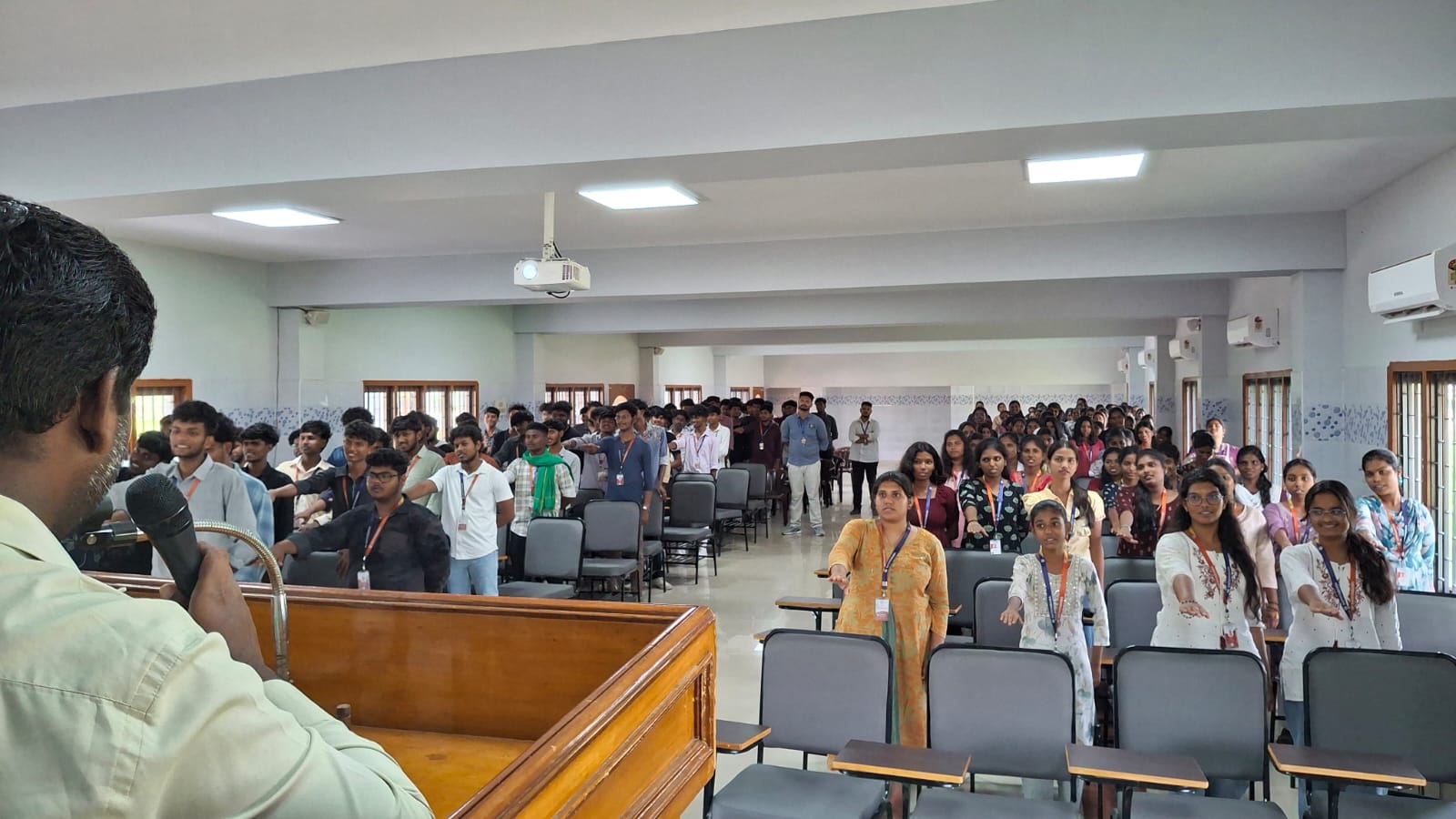
The Anti-Ragging Cell of Sathyabama Institute of Science and Technology, Sriperumbudur Campus, organized an Anti-Ragging Awareness Program on 12 August 2026 (Wednesday) from 10:15 AM to 2:30 PM at Seminar Hall 1. The program was conducted to create awareness among students, faculty members, and staff about the impact and consequences of ragging and to promote a safe, respectful, and inclusive campus environment. The session highlighted legal awareness, laws and punishments against ragging, empathy, dignity, unity, and mechanisms for reporting incidents and seeking help. The program emphasized the message “Say No to Ragging” and encouraged everyone to Respect, Support, and Protect one another, contributing towards a ragging-free campus.